
Guides · Topic
Getting and closing leads
A lead is only worth what you do with it. Most concrete companies lose more work in the four days after the estimate than they ever lose in the ads.
Concrete leads come from four places: search, the map pack, paid ads, and referral. The lead-selling sites are a fifth, and they are the only one where you do not own what you built. Whichever the source, the thing that decides whether it pays is what happens between the estimate and the signature.
The guides in this topic
Read the lead sources guide first, then the follow-up system. The follow-up guide assumes you already know where the leads came from.
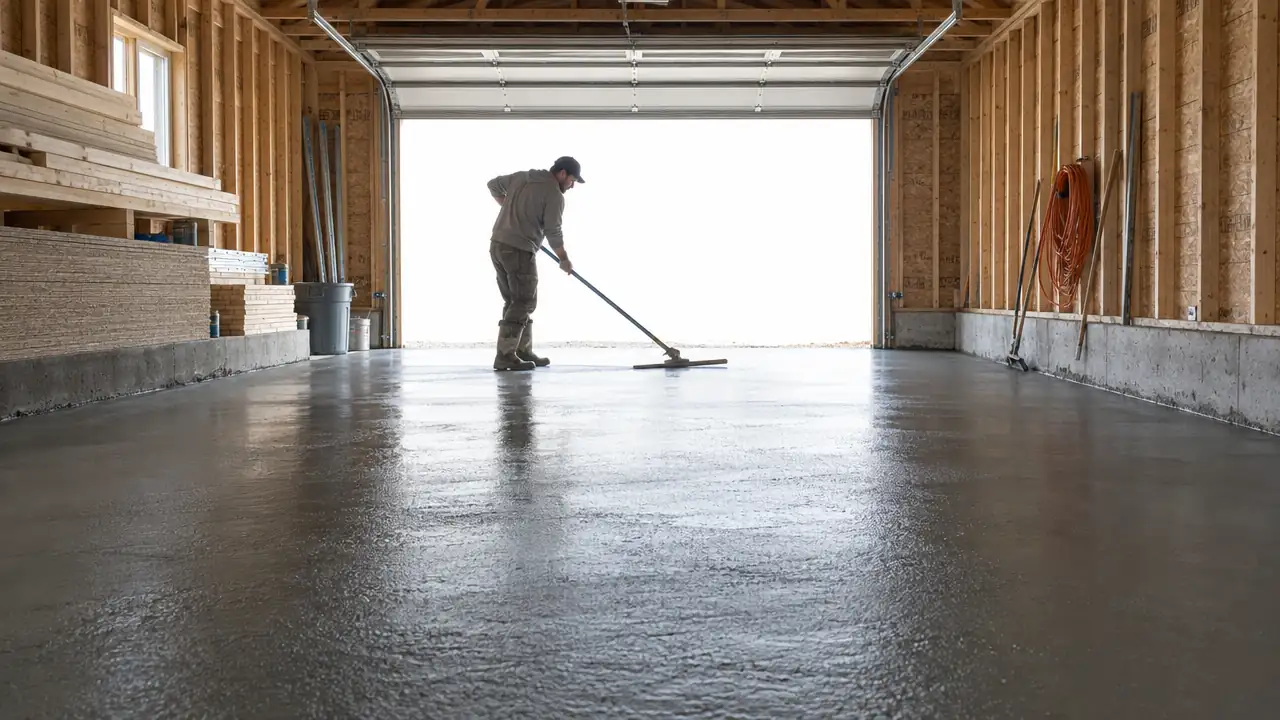
Concrete Estimate Follow-Up: Why You Are Losing Jobs You Already Quoted
A five-touch sequence with exact timings, how to present a quote, and how to automate the follow-up you keep meaning to do.
Read it
Beating the Slow Season: How Concrete Contractors Fill October to March
Cold-weather pours, interior pivots, pre-selling spring with fall deposits, and the cash flow math. With a six-month calendar.
Read it
Angi, HomeStars and Thumbtack for Concrete Contractors: Are They Worth It?
Real pricing, shared-lead economics, and the honest verdict on when a lead platform makes sense for a concrete company.
Read it
How to Get Concrete Leads: The Complete 2026 Guide for Contractors
All nine lead sources, what each costs per lead, and which are worth your time. The pillar guide everything else here links back to.
Read itThe short version, before you read any of them
Where do concrete leads actually come from?
Four places that you own, and one that you rent. You own the map pack, ordinary search results, your ads and your referrals. You rent leads from the lead selling sites, and rent is the right word: the day you stop paying, everything you built there belongs to somebody else. Most crews that feel stuck are renting all five.
Why do quoted jobs go quiet?
Because the estimate went out and then nothing happened. A homeowner getting three quotes on a driveway is comparing three companies on how it felt to deal with them, and the one who followed up is the one who seemed to want it. This is not a sales trick. It is answering.
What should follow-up look like?
Something written down, the same every time, that does not depend on whether you remembered. A message the day after the estimate, one at four days, one at two weeks, and one when the season turns. Four touches is more than most concrete companies manage and it is enough to change a close rate.
Questions
Are the lead selling sites worth it?
They can fill a quiet week. They cannot build a business, because the same lead is usually sold to several contractors and you are competing on how fast you answer. Use them as overflow, not as the plan.
What close rate should I expect?
It depends far more on job type than on marketing. Repairs close fast because the problem is visible. Large decorative jobs take weeks and several conversations. Measure your own rate by job type before comparing yourself to anybody.
How fast do I have to answer?
Faster than the other two quotes. For most residential concrete work the contractor who replies within the hour is at a real advantage, and the one who replies the next afternoon is often too late.
Where this sits on the rest of the site
The guides explain the thinking. These are the pages that say what we do about it and what it costs.
- Concrete lead generation is the service page behind this topic.
- Every price is on the pricing page, including what is not included.
- The locations page has local research for ten cities.
The other topics
- Original research — 4 guides.
- Getting found on Google — 2 guides.
- Running ads — 2 guides.
- Your website — 2 guides.
- What it costs — 2 guides.
Want this applied to your city instead of read about?
The free audit takes your market apart: who ranks, what it costs, and the three things that would move it fastest.