
Guides · Topic
Getting found on Google
Most concrete work is bought by somebody who typed a problem into a phone and called one of the first three results. These guides are about becoming one of those three.
For a concrete contractor the map pack matters more than the blue links below it, because concrete is bought locally and bought in a hurry. The three things that move it are the profile itself, the reviews attached to it, and whether the pages on your site match the work somebody is searching for.
The guides in this topic
Start with the map pack guide, because it explains where the ranking comes from. Read the reviews guide second, because reviews are the part you control fastest.
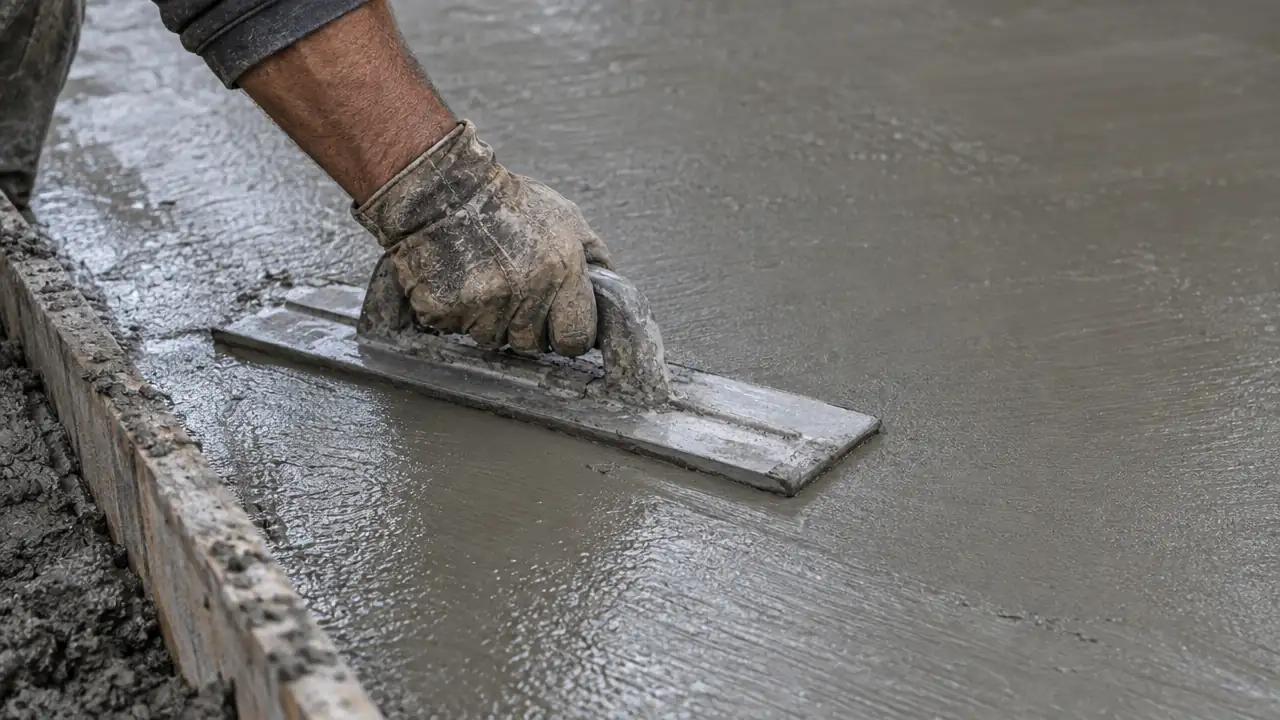
How to Get More Google Reviews for a Concrete Company
Eight copy-paste request templates, the timing that works, and what actually violates Google policy.
Read it
How to Rank Your Concrete Company in the Google Map Pack
Most concrete searches end in the map pack. Exact categories, service areas, the distance problem, and what to do about fake-address competitors.
Read itThe short version, before you read any of them
What actually decides the map pack?
Three things, and only one of them is on your website. The first is how close your registered address is to the person searching, which you cannot change without moving. The second is your Google Business Profile itself: the right main category, real service areas, hours that are true, and photographs of your own pours. The third is reviews, both how many and how recently the last one arrived. A profile with eleven reviews spread over four years loses to one with eleven reviews from the last six months.
Why does a competitor with worse work outrank me?
Usually because they answered the question Google was asking and you answered a different one. If somebody searches for a stamped patio and your site has one page called Services that mentions stamped work in a list of fourteen items, Google has nothing specific to show. The contractor with a page about stamped patios, in the city being searched, has given it something to show. That is not better marketing. It is just a page that exists.
How long before it moves?
Profile fixes can move inside a week, because Google is reading a file it already has. Review counts move at the speed you ask for reviews, which for most crews is one job at a time. Pages that have to earn their way up take longer, usually two to four months before the position is stable. Anybody promising the map pack in thirty days is either buying ads or guessing.
Questions
Do I need a shop address to rank in the map pack?
No. A service area business can rank without showing an address, and most concrete companies are service area businesses. You do need a real address on file with Google, and you do need it to be in or near the area you want to rank in.
Does replying to reviews change the ranking?
Google says owner responses are part of a well managed profile, and it is free to do. Treat it as one of the things that makes the profile complete rather than a lever on its own.
How many reviews do I need?
There is no number. What matters is whether you have more than the companies currently sitting above you, and whether yours are recent. Counting your three nearest competitors is more useful than any benchmark.
Where this sits on the rest of the site
The guides explain the thinking. These are the pages that say what we do about it and what it costs.
- SEO for concrete contractors is the service page behind this topic.
- Every price is on the pricing page, including what is not included.
- The locations page has local research for ten cities.
The other topics
- Original research — 4 guides.
- Running ads — 2 guides.
- Your website — 2 guides.
- Getting and closing leads — 4 guides.
- What it costs — 2 guides.
Want this applied to your city instead of read about?
The free audit takes your market apart: who ranks, what it costs, and the three things that would move it fastest.